
GOGO! Blast
Nebula StudioPuzzle
4.9531.00 Reviews
- Version
- 1.4.4
- Installs
- 5.00M
- Age Rating
- Everyone
Screenshots
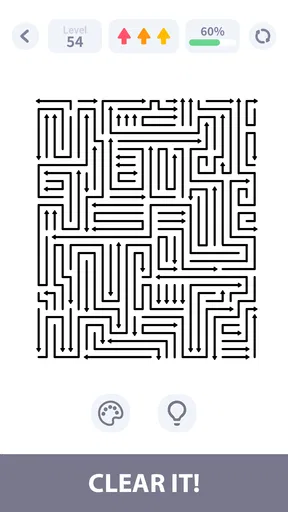
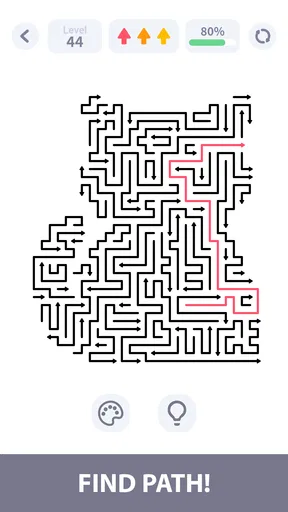
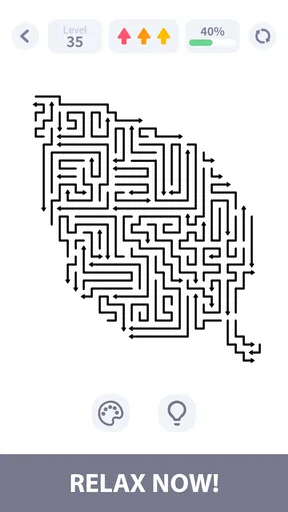
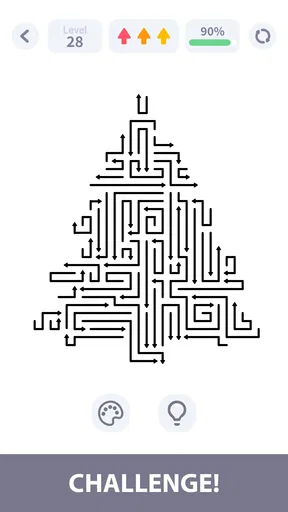
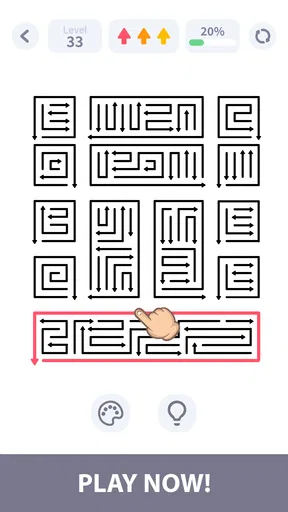
Our Review of GOGO! Blast
 Analysis by Appyee
Some puzzle games ask for long sessions and constant concentration. GOGO! Blast takes a quieter route: it is a free puzzle game built around arranging taps and clearing the board. I found the basic idea easy to understand within moments, which makes it a comfortable choice when I want something light rather than a demanding strategy challenge.
The first thing to expect is a small, focused experience. The store summary describes it as a fun and relaxing puzzle, and that matches the way I approached it. You are not stepping into a story-heavy adventure or a competitive action game. The appeal is in looking at the board, deciding where a tap should go, and enjoying the result when the pieces clear in the right sequence.
That simplicity is also the main reason I would recommend it to a friend who wants a quick distraction. It suits a short break, a quiet moment before bed, or a few minutes when I do not want to learn a complicated rule set. At the same time, anyone searching for deep narrative, elaborate progression, or a large collection of puzzle types should keep expectations measured.
Getting started without overthinking the board
I like to begin by treating the board as something to read, not a race to finish: I scan the whole arrangement, pick out what seems most constrained, and only then decide where to tap. That small pause makes the opening feel less haphazard and gives me a clearer sense of how each move changes what remains. Once that habit feels natural, the next useful question is how the game fits around interruptions.
What the first launch feels like
GOGO! Blast is listed as a puzzle game from Nebula Studio, with an Everyone content rating. That combination tells me who the game is trying to welcome: people who want an accessible board challenge rather than something built around mature themes or intense action. The minimum operating system is Android 7.1, so it can be relevant to users with older compatible devices as well as newer phones.
The game is free, which removes the biggest barrier to trying it. I would still approach the opening with the mindset of testing its rhythm instead of expecting a large premium-style campaign. Its strongest promise is the immediate board interaction. The sooner I start examining the available taps, the sooner the central idea becomes clear.
For a first-time player, the most useful preparation is simply to slow down for the opening board. The word “blast” might suggest fast reactions, but the important skill here is observation. I would not rush to touch the first obvious option. I would scan the whole arrangement, notice which areas appear connected, and consider whether one action can make a later action safer.
The first meaningful success
My recommended first goal is not to clear a board as quickly as possible. It is to understand why one tap works better than another. Look for a move that opens space or removes a blockage, then watch how the board changes. That before-and-after comparison teaches more than tapping randomly through the opening.
This is one of the game’s useful little lessons: a successful move is not always the most visually tempting move. A cluster that looks ready to disappear may be better left alone if clearing it first makes the remaining arrangement harder to read. I found it more satisfying to treat each tap as a small planning decision rather than as a button press.
When a board clears, take a second to notice the pattern that led there. Did the first tap expose a useful route? Did you preserve a larger group for later? Did you avoid separating pieces that needed to be handled together? Remembering that cause and effect gives the next board more meaning and helps the game stay engaging beyond the first few easy successes.
How to handle a confusing arrangement
The most likely early confusion is assuming that every available tap has the same value. In a board puzzle, the order matters, even when the controls are simple. If I cannot immediately see the best action, I prefer to inspect the edges and blocked areas first. Those positions often tell me whether the board is asking for a clearing move or a more cautious setup.
Another useful habit is to separate “progress now” from “progress later.” A tap that clears something immediately can still be a poor choice if it leaves an awkward remainder. Conversely, a move that seems modest may create the open space needed for a better chain. This way of thinking turns uncertainty into a manageable process: identify the board’s current obstacle, then choose the move that changes it most helpfully.
New players may also expect the word “blast” to mean that speed is the priority. I did not find that interpretation helpful. The relaxing side of the game works better when I treat it as a visual sorting problem. If you prefer fast reflexes, constant effects, and pressure, the pace may feel restrained. If you enjoy making one careful choice at a time, the slower rhythm is an advantage.
A practical routine for short sessions
I can imagine using this game during a coffee break in a very specific way. I would open it with no plan to play for a long stretch, complete one board while paying attention to the order of actions, and stop after a satisfying clear rather than forcing a longer session. That approach keeps the game from becoming another demanding task and makes its relaxing quality more noticeable.
For a slightly more focused session, I would use three checks before tapping: what area is most restricted, which move creates the most room, and whether the remaining board will be easier or harder afterward. These checks are simple enough for a beginner but useful enough to prevent careless play. They also give the game a small strategic layer that is easy to miss if I only chase immediate clears.
A further tip is to avoid judging a board from one corner alone. The best-looking group may not be the most important one. I get better results when I look at the whole arrangement, especially the spaces that will be left behind after a clear. This broad view is more valuable than memorizing a particular opening because the real challenge is reading the current layout.
Where it sits among other puzzle games
Compared with match-style puzzle games, GOGO! Blast feels more centered on placement and tap order than on building a large chain of identical pieces. That makes it a better fit for someone who enjoys examining a compact board and making deliberate choices. Players who want boosters, elaborate missions, or a constantly changing collection of mechanics may find more variety in a larger match-three alternative.
Compared with logic puzzles that demand written deduction, this game is more immediate and visual. I do not need to construct a long argument or remember a complex set of clues. The trade-off is that the satisfaction comes from arrangement and timing rather than from solving a deep riddle. For me, that makes it easier to pick up but less suitable when I am specifically looking for a challenging brain-training session.
It also differs from action-oriented blast games because the important moment is the decision before the tap, not rapid movement afterward. Someone who wants noise and speed should choose a more energetic option. Someone who wants a calm board and a clear objective will probably understand the appeal quickly.
What the numbers suggest about its audience
The game has an average rating of 4.9 from around eleven thousand ratings, and it has passed five hundred thousand installs. Those figures suggest that the straightforward concept has found a substantial audience, while the Everyone rating makes it approachable for a broad range of players. I would read that as encouragement to try it, not as a guarantee that every puzzle preference will be satisfied.
The listing also shows 74 reviews, which gives the store page a visible set of player reactions alongside the broader rating activity. I would still make my own judgment based on the first few boards. A high average can tell me that many people enjoy the experience, but it cannot replace checking whether the pace and board style match what I personally want from a puzzle game.
Version and device considerations
The current version is 1.2.6. For someone installing it today, that is useful context because it identifies the build associated with the current experience. I would make sure the phone meets the Android 7.1 minimum before trying to install it, particularly if I am using an older device.
On a newer phone, the main question is not whether the concept is technically impressive. It is whether the board interaction feels comfortable and readable during the kind of short sessions the game encourages. On an older compatible phone, the low-pressure puzzle format may be appealing precisely because it does not ask me to commit to a large, demanding game world.
When I would recommend it, and when I would skip it
I would recommend GOGO! Blast to a first-time puzzle player who wants a free, approachable way to practice visual planning. It is also a good candidate for someone who enjoys calm repetition: inspect the board, choose a tap, see the result, and adjust the next decision. Parents looking for an Everyone-rated option may appreciate the accessible presentation, while casual players can enjoy it without learning a long rulebook.
I would skip it if my priority were a story, character development, competitive rankings, or a large strategic system. I would also choose another game if I wanted every session to introduce a radically different mechanic. The focused design is part of the appeal, but it also defines the limit. The game is most convincing when I want a compact puzzle loop, not when I am searching for a broad entertainment package.
Another trade-off is replay motivation. A player who enjoys improving their reading of similar board situations may find enough interest in refining decisions. A player who needs constant novelty may feel that the central action becomes familiar. That is not a flaw in the basic concept, but it is an important distinction before installing it.
My path from installation to a useful first session
I would begin by installing the free game on a compatible Android device, opening the first board, and resisting the urge to tap immediately. I would inspect the arrangement from edge to edge, identify the most restricted area, and choose one move that appears to create useful space. After the board changes, I would pause again instead of repeating the same gesture automatically.
On the next attempt, I would compare the result of an immediate clear with the result of a setup move. That small experiment teaches the game’s central trade-off better than any general advice. If I make a mistake, I would treat it as information about the board’s order rather than as a reason to rush. The goal is to recognize the relationship between one tap and the shape that follows.
After a few boards, I would decide whether the calm, visual loop suits me. If it does, the game is easy to keep as a short-session option. If it does not, I would move to a match game for more spectacle or a logic title for more depth. The right reason to keep GOGO! Blast is not its size, but the clarity of its small decisions.
My overall impression is positive, with a clear boundary around that praise. Nebula Studio has presented a puzzle experience that is easy to approach, free to try, and friendly to players who like careful board reading. The best moments come when I stop chasing the first available clear and start thinking about the shape left behind.
For a first-time user, the reassuring part is that success does not require a complicated setup. Start slowly, examine the entire board, and let each tap teach you something about the next position. That method makes the first meaningful clear feel earned without turning a relaxing game into homework.
I would keep it installed for quiet breaks and recommend it to friends who want a simple puzzle with a little planning underneath. I would not present it as a replacement for every other game in the category. Instead, I see it as a focused option for players who value an uncomplicated start, a calm pace, and the satisfaction of making the board cooperate one decision at a time.
Privacy and Permissions
See what permissions an app requests and how it handles your data.
- Wi-Fi connection information
- view Wi-Fi connections
- Other
- view network connections, full network access, control vibration, prevent device from sleeping, Google Play license check
Verdict
Strengths of GOGO! Blast
- Fast-paced levels are ideal for short play sessions.
- Simple controls make it easy to start playing immediately.
- Colorful visuals give the game a cheerful, polished look.
- Frequent challenges help keep the gameplay feeling fresh.
- Works well for casual players who prefer quick puzzle rounds.
Limitations of GOGO! Blast
- Some levels may feel repetitive after extended play.
- Progress can become difficult without careful move planning.
- Power-ups may be limited during challenging stages.
- The game may encourage repeat attempts to improve results.
- Players seeking deep strategy may find the mechanics too simple.
Other Releases by Nebula Studio
View All


Similar Picks in This Category
View All
Block Blast!
HungryStudio4.8

Braindom: Brain Games Test
Lahana Game Studio4.6

AMAZE!
CrazyLabs LTD4.6

Sudoku - Classic Sudoku Puzzle
Oakever Games4.7

Art Puzzle - Puzzle Games
Easybrain4.8

Amaze GO!
Oakever Games4.9
Frequently Asked Questions
What is GOGO! Blast and how is the game played?
GOGO! Blast is a casual puzzle game built around matching and clearing colorful pieces to complete level objectives. During a typical session, you tap or combine matching elements, create stronger boosters, and use them strategically to remove difficult layouts. The game is easy to understand at first, but later stages usually require planning, careful move management, and smart use of special effects rather than simply tapping as quickly as possible.
Is GOGO! Blast free to download and play?
GOGO! Blast can generally be downloaded and played without an upfront purchase, making it accessible to users who want to try the core gameplay immediately. However, free-to-play puzzle games commonly include optional in-app purchases, such as extra lives, boosters, coins, or other progression aids. Before downloading, it is worth checking the store listing and your device’s purchase settings, especially if children may use the device.
Does GOGO! Blast require an internet connection?
The basic puzzle levels may be available in situations where your connection is limited, but some features can depend on an active internet connection. Online access may be needed for advertisements, cloud saving, events, rewards, updates, or synchronization between devices. Offline behavior can also vary after updates, so players should not assume every feature will work without internet access when traveling or using mobile data restrictions.
Are there advertisements or in-app purchases in GOGO! Blast?
Players should expect that GOGO! Blast may use advertising and optional purchases as part of its free-to-play model. Ads can appear between levels or when you choose to receive a bonus, while purchases may provide currency, boosters, additional attempts, or faster progress. These features are not necessarily required to enjoy the game, but they can affect the pace of progression. Review the current store description for the latest details.
Is GOGO! Blast suitable for children and does it work on every phone?
GOGO! Blast is designed to be simple enough for casual players, with colorful visuals and straightforward tap-based mechanics. Nevertheless, parents should review its age rating, advertising, data practices, and purchase options before allowing children to play. Compatibility depends on the Android or iOS version, available storage, and device performance. Installing the latest supported operating-system update can help prevent crashes and improve overall stability.
Play our best games!


